
Norwood Park Township Property Tax
Property taxes in Cook County are some of the highest in the nation and have increased every year for the past three decades. Norwood Park is often a bellwether for the rest of the Chicago area, as it is usually the first to get reassessed and one of the first to go through the property tax appeal process. This means that Norwood Park homeowners and businesses have the least amount of time to prepare and generally do not have the opportunity to learn from the mistakes of others. However, this also means that the people of the township can get off to a head start and can set the pace for the rest of the county by challenging the values put forward by the Cook County Assessor’s Office (CCAO).
1 Search for your Property
Start the process to reduce your property taxes by entering your property address below and searching as step
Yes, O’Connor can help you reduce your property taxes.
- Yes – there is NEVER a fee unless we reduce your property taxes
- Simple on-line enrollment in just 2 or 3 minutes
- Personalized concierge service site visits
- O’Connor saved clients over $213 million in 2025!
2 Enroll for property tax savings
Potential Tax Savings For Your Property
May be over-assessed by
*
Potential Tax Savings
*
Have Additional Properties?
Benefits of O’Connor :
- Simple, online enrollment in just minutes, or call us at 713.290.9700 if you prefer.
- No fees ever unless we reduce your property taxes, not even a nickel. We promise.
- Aggressive property tax consultants with hundreds of years collective experience. We understand the people and process to negotiate lower property taxes for you. Our interests are properly aligned. We never, ever get paid unless you reduce your property taxes.

Benefits of O’Connor :
- Simple, online enrollment in just minutes, or call us at 713.290.9700 if you prefer.
- No fees ever unless we reduce your property taxes, not even a nickel. We promise.
- Aggressive property tax consultants with hundreds of years collective experience. We understand the people and process to negotiate lower property taxes for you. Our interests are properly aligned. We never, ever get paid unless you reduce your property taxes.
Are you sure you want to go back?
Your changes may not be saved.
Reassessment
Norwood Park was one of the first townships to go through the 2025 reassessment process, as the northern and northwestern suburbs were put under the microscope by the CCAO. Cook County runs on a triennial reassessment cycle, which means a third of the county is assessed every year. Norwood Park was hit hard by the reassessment, with the average increase in taxable value for homeowners being 19%, while businesses increased by a record 37.8%. Such increases have become all too common when reassessment rolls around in Chicagoland. While the area will not be reassessed until 2028, assessments can still increase due to the the equalization factor. Tax rates also increase regardless of assessments.
Tax Reduction Options for Norwood Park Homeowners and Businesses
Thanks to late tax bills and record increases, many Cook County homeowners have been unable to pay their taxes in 2026, which puts homes at risk and is detrimental to the community due to loss of funding. Businesses in the township saw record increases in 2025, and taxes could be driven even higher thanks to equalization, market changes, and rising tax rates. Homeowners and businesses do have some options when it comes to lowering their taxable burden. While taxes cannot be reduced directly, lowering the assessed value often brings them down, as that is what tax rates are applied to. Property owners have two primary options:
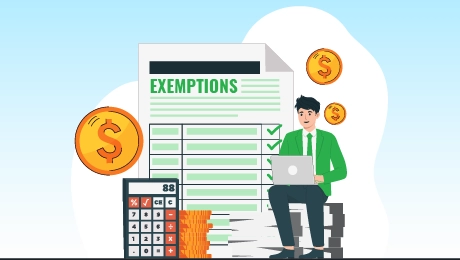
Exemptions:
There are several exemptions available to homeowners, including the homestead, those for seniors, disabled persons, and more. These can shield a portion of a home’s overall value from taxes, which lowers the overall burden. These are generally applied to the second half of tax bills.
Property Tax Appeals:
These protests dispute the values placed on homes and businesses by the CCAO. These are based on overassessment, unequal assessment, or factual errors such as incorrect size or classification. Appeals require specific evidence to be gathered in order to be successful, though they can lead to substantial savings.
Norwood Park Property Tax Appeals
Businesses and homeowners in Cook County are facing down some of the nation’s highest taxes, but they do have an advantage over other Illinois taxpayers. While the rest of Illinois has only one deadline to make all appeals, the people of Cook County have two. First, there is the assessor deadline, where taxpayers appeal directly to the CCAO. Taxpayers typically have 30 business days to appeal to the assessor after a notice of reassessment is mailed or published. Months after that, there is a second deadline for the Board of Review (BOR). Both of these options offer a substantial chance of landing a reduction.
Whether it is Norwood Park or anywhere else in Cook County, property tax appeals require extensive evidence. If a taxpayer is challenging based on unequal assessment, then they will need to gather assessments of neighboring properties with similar characteristics, such as age and size. These properties should also be photographed. To prove overassessment, sales records for similar properties dating back three years should be gathered, as this can establish what the market value in a neighborhood actually is. These properties should be as similar to the taxpayer’s property as possible.
 Important Deadlines for Norwood Park
Assessor appeal deadline: May 26, 2026
Board of Review appeal deadline: September 1, 2026
First installment of property taxes due: April 1, 2026
Second installment of property taxes due: pending
O’Connor Offers Analysis and Evidence
When it comes to gathering evidence, putting everything together can seem like a full-time job. In addition, the assessment needs to be studied thoroughly in order to spot errors in measurement, classification, or missing exemptions. We at O’Connor are here to help in all aspects when it comes to analysis and evidence. For over 50 years, we have helped taxpayers across the country by providing help in understanding property taxes, reviewing assessments, and providing expert evidence.
Our state-of-the-art databases can provide comparables for both property sales and assessments, providing evidence for either overassessment or unequal assessment. We also use data-driven techniques to gather evidence that best fits what the CCAO and BOR are looking for. We then coordinate appeals with a licensed attorney who is experienced with how Cook County operates. The attorney will file appeals and represent the client in hearings, using our analysis and evidence to get the best result. Our client will not pay any upfront costs and will only pay a contingency fee for the evidence if we and their attorney can lower property taxes.