
Property Taxes in Seneca Township
Wide stretches of farmland, winding country roads, and the waterways of the Kishwaukee River help define life in Seneca Township, located in McHenry County. With roots dating back to 1835, the township retains a distinctly rural character, where agricultural properties and quiet residential areas sit alongside a gradual pattern of growth from nearby communities such as Woodstock, Union, and Marengo.
For many residents, the appeal of the area lies in its open landscapes and slower pace of life. However, property taxes remain a significant consideration for homeowners and landowners alike. Understanding how your property is assessed can help you determine whether its valuation deserves closer examination.
1 Search for your Property
Start the process to reduce your property taxes by entering your property address below and searching as step
Yes, O’Connor can help you reduce your property taxes.
- Yes – there is NEVER a fee unless we reduce your property taxes
- Simple on-line enrollment in just 2 or 3 minutes
- Personalized concierge service site visits
- O’Connor saved clients over $213 million in 2025!
2 Enroll for property tax savings
Potential Tax Savings For Your Property
May be over-assessed by
*
Potential Tax Savings
*
Have Additional Properties?
Benefits of O’Connor :
- Simple, online enrollment in just minutes, or call us at 713.290.9700 if you prefer.
- No fees ever unless we reduce your property taxes, not even a nickel. We promise.
- Aggressive property tax consultants with hundreds of years collective experience. We understand the people and process to negotiate lower property taxes for you. Our interests are properly aligned. We never, ever get paid unless you reduce your property taxes.

Benefits of O’Connor :
- Simple, online enrollment in just minutes, or call us at 713.290.9700 if you prefer.
- No fees ever unless we reduce your property taxes, not even a nickel. We promise.
- Aggressive property tax consultants with hundreds of years collective experience. We understand the people and process to negotiate lower property taxes for you. Our interests are properly aligned. We never, ever get paid unless you reduce your property taxes.
Are you sure you want to go back?
Your changes may not be saved.
Making Sense of Property Assessments
A property tax bill is influenced by the value assigned to your property, the exemptions you receive, and the tax rates associated with the local taxing districts that serve your area. Because Seneca Township properties may include traditional homes, larger residential lots, and agricultural land, the way a property is classified and assessed is an important part of the calculation.
For most residential properties in Illinois, the assessment level is 33.3% of the estimated market value, while farmland follows a separate valuation process. Equalization factors, exemptions, and local tax rates also affect the final tax calculation. These distinctions matter because a property’s assessed value is not the same as its tax bill. If the assessment relies on incorrect information or does not reflect the property’s appropriate value, reviewing it may reveal a reason to seek a change.
Exemptions and Appeals: How Each Can Help
Property owners in Seneca Township may have more than one way to seek property tax relief. Exemptions and assessment appeals can both affect the amount of property taxes owed, but they work in different ways.
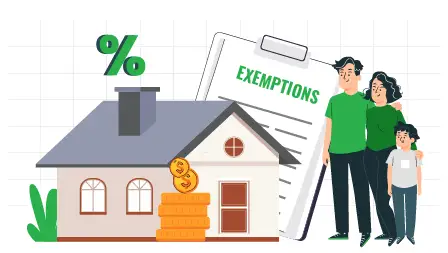
Exemptions:
An exemption provides a tax benefit to property owners who meet specific eligibility requirements. It reduces the equalized assessed value, or EAV, used in calculating property taxes. The general homestead exemption, for example, is intended for qualifying properties used as the owner’s principal residence. Other programs may be available to eligible senior citizens, people with disabilities, and veterans. Some exemptions depend on income, age, occupancy, disability status, or other criteria.
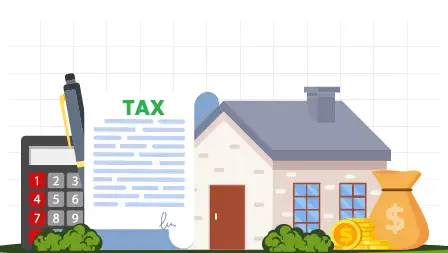
Property Tax Appeals:
An assessment appeal focuses instead on the valuation assigned to the property. It asks the reviewing authority to reconsider that value based on relevant information, such as comparable sales, differences between similar assessments, or errors in the property record. If the appeal results in a lower assessment, the change may reduce the property tax bill.
When Your Property’s Valuation May Need Review
Property owners do not have to wait until they receive a tax bill to start asking questions about an assessment. The assessment notice and property record can provide useful information about how the county has valued a home, building, or parcel of land.
One concern may be that the estimated market value is higher than what comparable properties or recent sales support. Another possibility is that similar properties have been assigned lower assessments, even though their characteristics are much like yours. Errors in recorded details, such as a building’s dimensions or property features, can also affect the result. A review can help clarify whether the assessment appears reasonable and whether there is a sound basis for filing an appeal.
 Crucial Property Tax Dates for Seneca Township:
First installment of property taxes due: June 9, 2026
Second installment of property taxes due: September 9, 2026
Last day to file a property tax appeal: November 6, 2026
How O’Connor Supports Property Tax Appeals
Evaluating a property assessment can take considerable research, especially when the relevant information is spread across property records, valuation data, and comparable assessments. O’Connor helps property owners examine these details and determine whether there may be an opportunity to pursue a property tax reduction.
The review involves looking for potential concerns in the property’s valuation and considering information that may support a challenge. Depending on the circumstances, this may include examining comparable properties, studying available market data, and checking recorded characteristics that could influence the assessment. When a potential issue is identified, the relevant findings can help shape the appeal strategy. We then partner with a law firm that specializes in property tax matters to help property owners navigate the property tax appeal process.
There is no upfront cost to enroll. You pay for O’Connor’s services only if your property taxes are successfully lowered. Enrollment is easy and takes only three minutes.